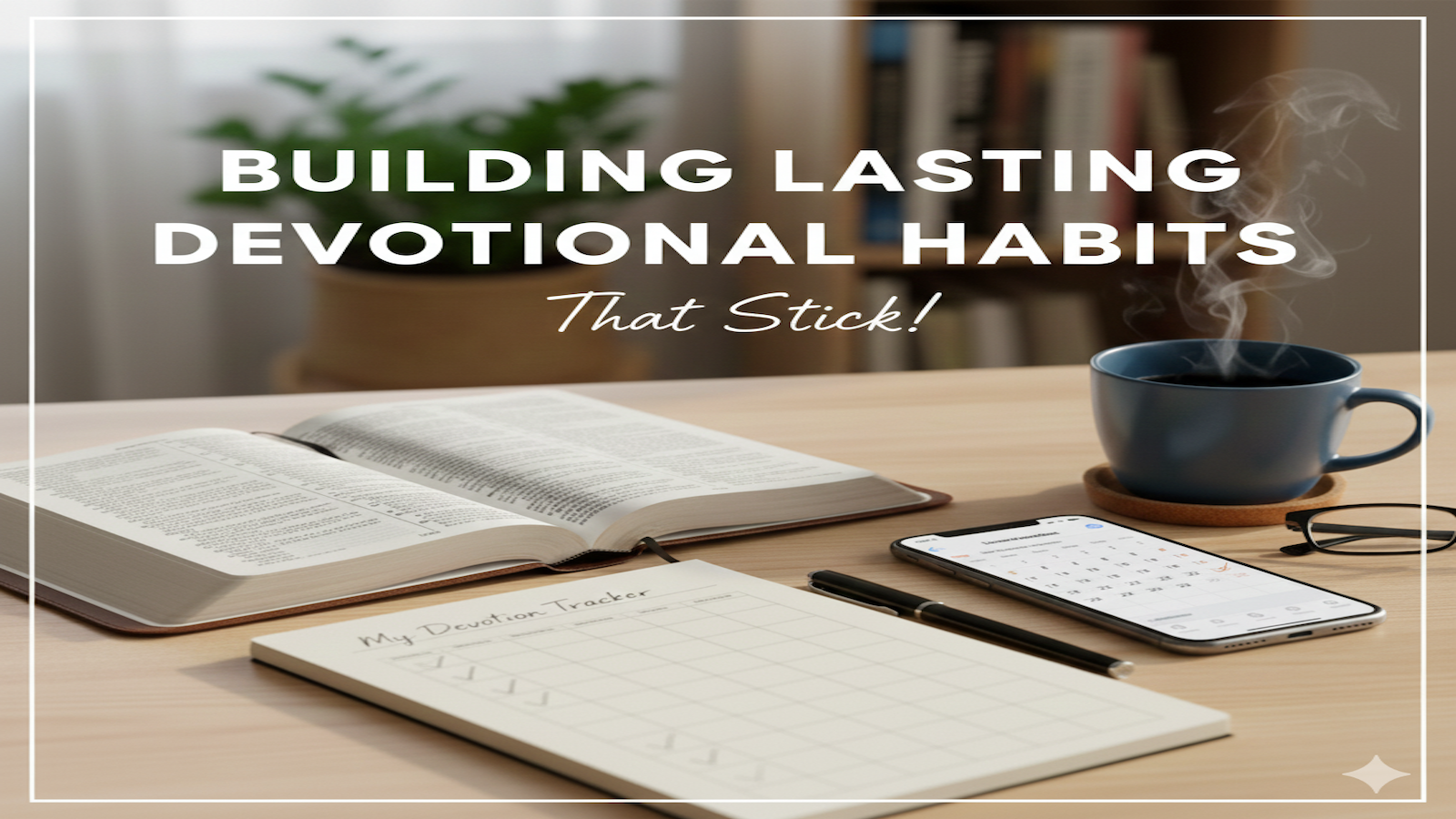
We've all been there—starting the new year with grand plans for daily Bible reading and prayer, only to find our devotional life fading by February. The desire for consistent time with God is genuine, but translating that desire into lasting habits proves challenging. Between busy schedules, demanding responsibilities, and the inevitable disruptions of life, maintaining daily devotions can feel nearly impossible.
Yet Scripture is clear about the value of consistent spiritual practices. Jesus modeled regular times of prayer and solitude with the Father. The Psalms speak of meditating on God's Word "day and night." Building lasting devotional habits isn't about perfection—it's about creating sustainable rhythms that draw us closer to God and strengthen our faith over time.
Understanding the Science of Habit Formation
Before diving into spiritual practices, it helps to understand how habits work. Research shows that habits form through a cycle: cue, routine, and reward. For devotional habits, this might look like:
- Cue: Your morning alarm or evening routine
- Routine: Reading scripture and praying
- Reward: Sense of peace, connection with God, spiritual insight
The key is making this cycle as easy and rewarding as possible, especially in the beginning when motivation is high but the habit isn't yet automatic.
Start Small and Build Gradually
One of the biggest mistakes people make is starting too ambitiously. Instead of committing to hour-long devotions immediately, begin with something so small it feels almost silly not to do it.
The 2-Minute Rule
Start with just 2-5 minutes of devotional time. This might include:
- Reading one psalm
- Praying for 2-3 specific things
- Memorizing one verse per week
- Writing three things you're grateful for
- Listening to a short devotional audio
Once this becomes automatic (usually 21-66 days), you can gradually increase the time. The goal is consistency, not duration.
"Do not despise these small beginnings, for the Lord rejoices to see the work begin." - Zechariah 4:10 (NLT)
Choose Your Optimal Time
The "best" time for devotions is the time you can consistently maintain. While many recommend morning quiet times, the most important factor is choosing a time that works for your schedule and personality.
Morning Devotions
Pros: Sets spiritual tone for the day, fewer interruptions, fresh mind
Best for: Morning people, those with evening family responsibilities
Evening Devotions
Pros: Reflection on the day, peaceful wind-down, deeper processing
Best for: Night owls, those with morning commutes, parents of young children
Midday Devotions
Pros: Refreshing break, redirects focus during busy days
Best for: Those with flexible schedules, people working from home
Create Environmental Cues
Make it as easy as possible to succeed by setting up your environment:
Prepare Your Space
- Keep your Bible, journal, and pen in the same place
- Choose a specific chair or location for devotions
- Ensure good lighting and minimal distractions
- Consider having a special coffee mug or blanket for this time
Use Technology Wisely
- Set a daily reminder on your phone
- Use Bible apps for reading plans and verse notifications
- Listen to scripture audio during commutes
- But avoid the temptation of social media during devotional time
Handle Inevitable Disruptions
Life will interrupt your devotional routine. The key is planning for this reality rather than being derailed by it.
Have a Backup Plan
- Sick days: Listen to worship music or audio scripture
- Travel: Use phone apps or pocket-sized devotionals
- Busy mornings: Have a 1-minute prayer ready
- Family emergencies: Pray throughout the day as situations arise
Practice Grace Over Guilt
When you miss days, resist the urge to quit entirely. God's love for you doesn't depend on perfect devotional consistency. Simply return to your routine the next day without self-condemnation.
Remember: You're building a relationship, not completing a religious requirement.
Make It Enjoyable and Meaningful
Devotions shouldn't feel like drudgery. Find approaches that genuinely connect with your heart:
Vary Your Approach
- Mix different types of scripture reading (narrative, wisdom, prophecy, New Testament)
- Include different prayer styles (thanksgiving, confession, intercession, listening)
- Try various devotional resources (commentaries, daily devotionals, topical studies)
- Incorporate worship music, nature walks, or creative expressions
Focus on Connection, Not Completion
The goal isn't to check boxes but to connect with God. Some days this might mean:
- Spending extra time on one verse that speaks to you
- Extended prayer about a specific concern
- Journaling through emotions or life situations
- Simply sitting in God's presence without an agenda
Track Your Progress
What gets measured gets done. Find simple ways to track your devotional consistency:
- Mark an X on a calendar for each day completed
- Use a habit-tracking app
- Keep a simple journal note about each day's devotion
- Share your commitment with an accountability partner
Celebrate small wins—completing a week, a month, or returning after a difficult period.
Connect with Community
Sustainable habits are easier when you're not doing them alone:
- Find an accountability partner with similar devotional goals
- Join a small group that encourages spiritual disciplines
- Share insights from your devotions with family or friends
- Participate in church-wide reading plans or challenges
"As iron sharpens iron, so one person sharpens another." - Proverbs 27:17
Remember Your Why
When motivation wanes, return to your deeper purposes for devotional time:
- Growing in intimacy with God
- Receiving wisdom for daily decisions
- Finding peace in anxious seasons
- Developing spiritual discernment
- Building faith for challenging times
- Experiencing God's love and presence
Conclusion
Building lasting devotional habits isn't about perfection—it's about progress. Every small step toward consistency is valuable, and every moment spent with God matters. Start where you are, use what works for your life, and trust that God honors even imperfect efforts to seek Him.
Remember that the ultimate goal isn't maintaining a devotional habit—it's cultivating a relationship with the living God. As you develop these practices, you'll find that what begins as discipline gradually becomes delight, and what starts as habit transforms into hunger for God's presence.