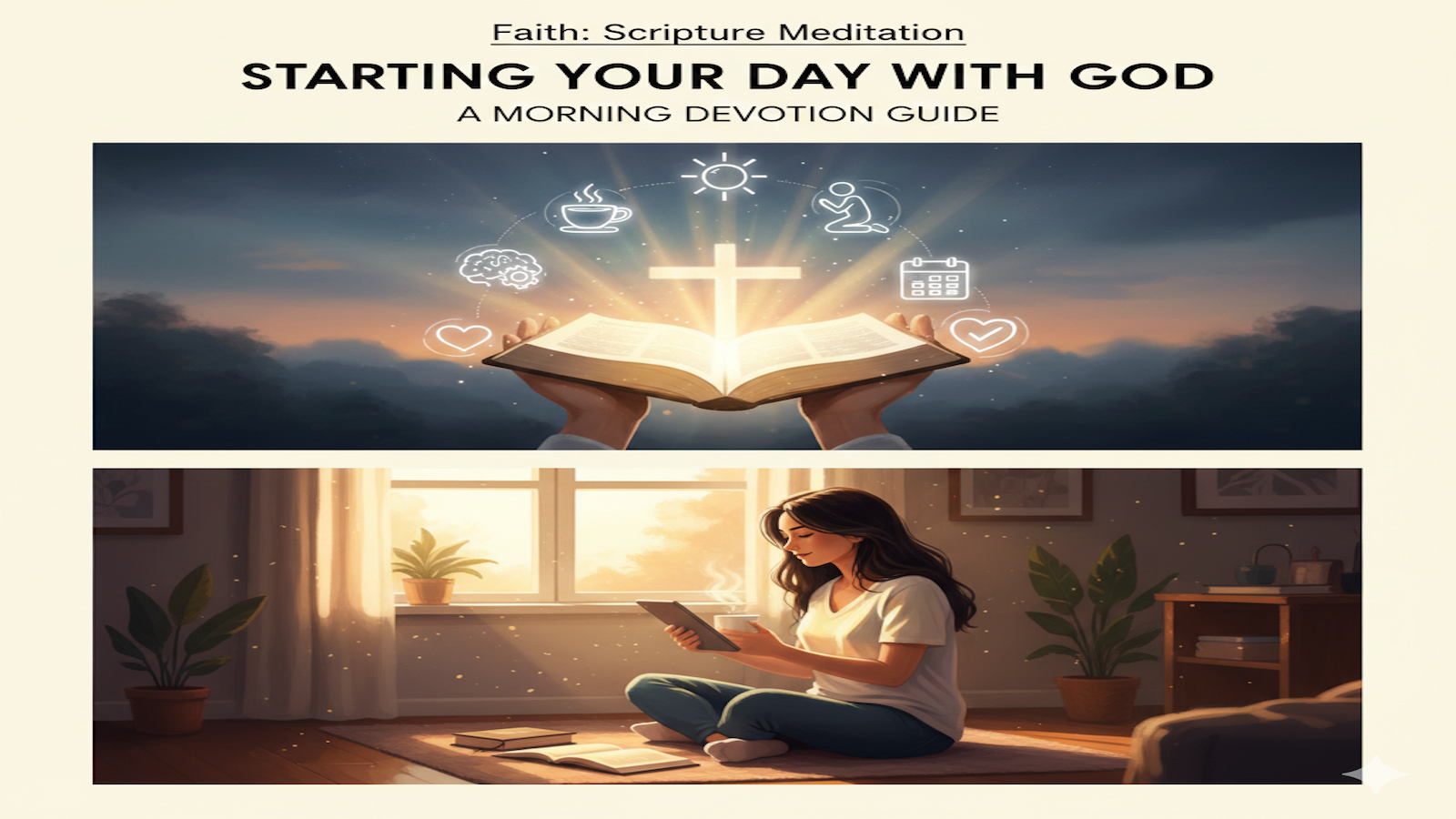
How you begin your day often determines how the rest of it unfolds. When we start our mornings by connecting with God through His Word and prayer, we set a foundation of peace, purpose, and perspective that carries us through whatever the day may bring. A morning devotion isn't just another item to check off your to-do list—it's an invitation to walk closely with God from the moment you wake up.
Many Christians desire to have consistent morning devotions but struggle to know where to start or how to maintain the practice. Whether you're a beginner looking to establish this habit or someone seeking to refresh your morning routine, this guide will help you create a meaningful time with God that transforms both your heart and your day.
Why Morning Devotions Matter
Jesus Himself modeled the practice of beginning the day with prayer and communion with the Father. If the Son of God needed this time of connection before facing His daily ministry, how much more do we need it? Morning devotions offer several profound benefits:
- Divine Perspective: God's Word helps us see our circumstances through His eyes rather than our limited understanding
- Spiritual Strength: Prayer connects us to God's power for the challenges ahead
- Peace of Mind: Surrendering our day to God releases anxiety and builds trust
- Clear Direction: Scripture provides wisdom for the decisions we'll face
- Grateful Heart: Starting with thanksgiving shifts our focus from problems to blessings
Creating Your Morning Devotion Routine
A sustainable morning devotion should be personal, flexible, and focused on connection with God rather than completing a checklist. Here's a simple framework you can adapt to your lifestyle:
1. Prepare Your Heart (2-3 minutes)
Begin by acknowledging God's presence and asking Him to speak to you through His Word. A simple prayer like this can set the tone:
"Good morning, Lord. Thank You for the gift of this new day. Please open my heart to hear from You and help me understand what You want to teach me today."
2. Read Scripture (10-15 minutes)
Choose a reading plan or method that works for your season of life:
- Chapter-a-Day: Read one chapter from any book of the Bible
- Psalm and Proverb: Read one Psalm and a few verses from Proverbs
- Annual Bible Plan: Follow a plan that takes you through the entire Bible in a year
- Topical Study: Focus on specific themes like faith, love, or prayer
- Gospel Focus: Spend time in the life and teachings of Jesus
3. Reflect and Meditate (5-10 minutes)
Don't rush from reading into the rest of your day. Spend time reflecting on what you've read:
- What is God teaching me through this passage?
- How does this apply to my current circumstances?
- What character of God is revealed here?
- Is there a promise to claim or a command to obey?
4. Pray with Purpose (10-15 minutes)
Let your prayers flow naturally from your Scripture reading, but also include:
- Adoration: Praise God for who He is
- Confession: Acknowledge any sin and receive His forgiveness
- Thanksgiving: Express gratitude for His blessings
- Supplication: Bring your needs and the needs of others to Him
5. Surrender Your Day (2-3 minutes)
End by committing your day to God, asking Him to guide your thoughts, words, and actions. Pray for specific activities, meetings, or challenges you'll face.
Overcoming Common Obstacles
Starting any new habit comes with challenges. Here are solutions to the most common obstacles:
Time Constraints
Start small—even 10 minutes is better than nothing. You can always extend your time as the habit becomes established. Consider waking up 15 minutes earlier or using time you might spend scrolling your phone.
Inconsistency
Focus on building the habit rather than perfect execution. If you miss a day, simply start again the next morning without guilt. Grace covers our imperfect efforts.
Distractions
Create a dedicated space for your devotions and put your phone in another room. Let family members know this is your time with God and ask them to respect it.
Put It Into Practice
This week, commit to starting each day with just 10 minutes of intentional time with God. Choose one Psalm to read slowly, spend a few minutes reflecting on it, and then pray about your upcoming day. Don't worry about having the perfect routine—focus on simply showing up and meeting with God.
Conclusion
Starting your day with God isn't about earning His love or checking off a spiritual duty—it's about receiving the strength, wisdom, and peace He wants to give you for each new day. When we begin our mornings in His presence, we carry that connection with us throughout the day, making decisions from a place of faith rather than fear.
Remember, the goal isn't perfection but connection. Some mornings your devotion time will feel rich and meaningful, while others might feel routine or distracted. Both are valuable because they represent your heart's desire to seek God. Trust that He honors your effort to meet with Him, regardless of how you feel in the moment.