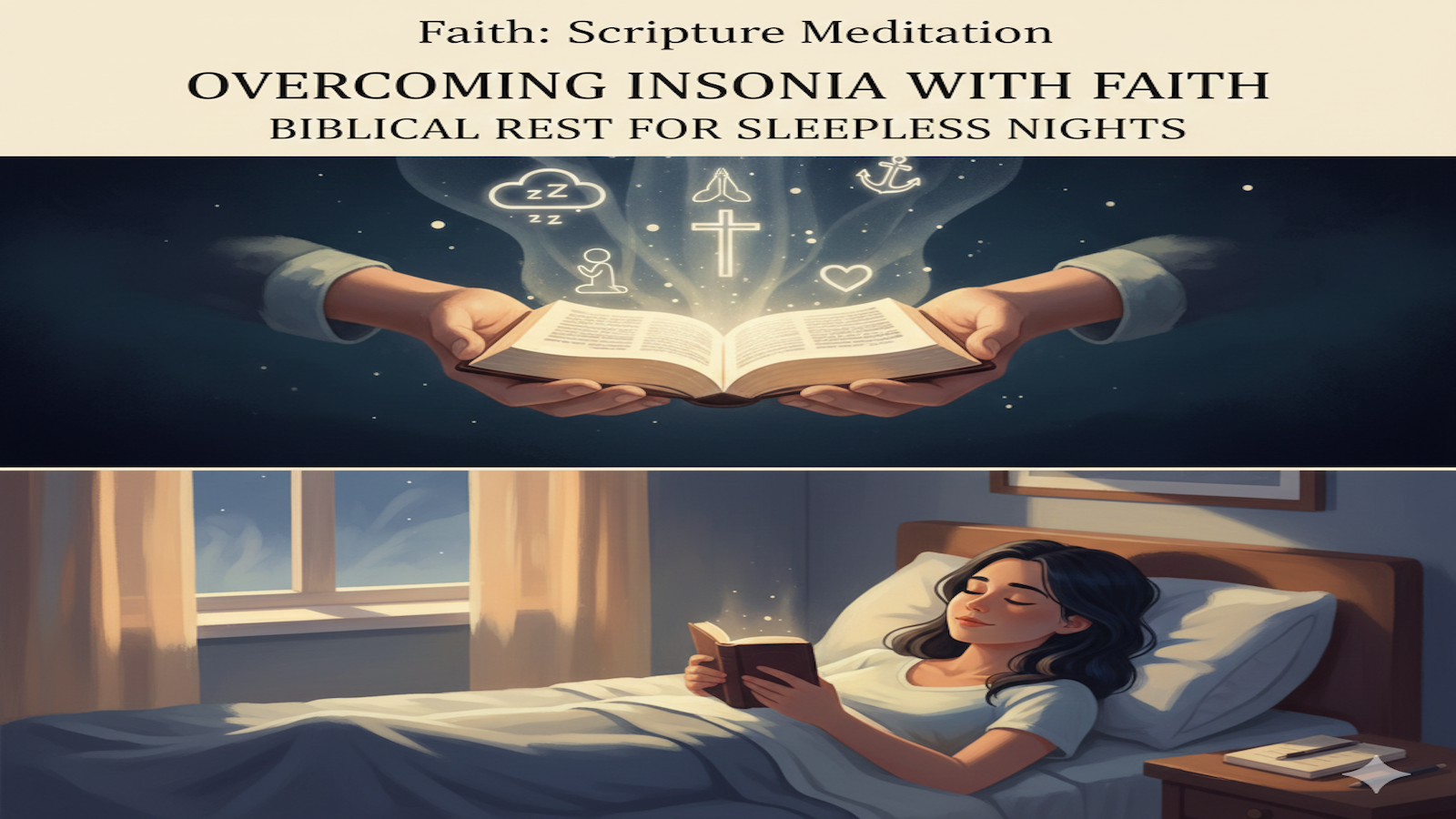
Sleepless nights can feel like an endless cycle of frustration, worry, and exhaustion. When your mind races and your body refuses to rest, the darkness can seem overwhelming. If you're struggling with insomnia, you're not alone—millions of people battle sleep difficulties, and as believers, we can find unique comfort and practical help in God's Word and promises.
While medical causes of insomnia should always be addressed with healthcare professionals, faith offers powerful resources for the spiritual and emotional aspects of sleeplessness. God's Word provides both practical wisdom and supernatural peace for those long, wakeful hours. Through prayer, scripture, and trust in God's care, we can find rest even in the midst of sleep struggles.
Understanding Insomnia from a Biblical Perspective
The Bible acknowledges the reality of sleepless nights. King David wrote many psalms during wakeful hours, and various biblical figures experienced seasons when sleep seemed elusive. Scripture shows us that even faithful people sometimes struggle with rest, and God understands our need for both physical and spiritual restoration.
Common spiritual contributors to insomnia include:
- Anxiety and worry: Racing thoughts about future concerns
- Guilt or unforgiveness: Unresolved spiritual issues
- Lack of trust: Difficulty surrendering control to God
- Spiritual attack: Enemy interference with God's gift of rest
- Overactive mind: Inability to quiet thoughts and concerns
Biblical Strategies for Sleepless Nights
1. Practice Casting Your Anxieties
When worry keeps you awake, remember Peter's instruction to cast all your anxieties on God because He cares for you (1 Peter 5:7). This isn't just positive thinking—it's actively transferring your concerns to God's capable hands.
Practical application: When you can't sleep due to worry, pray specifically: "God, I give You my concern about [specific issue]. I trust You to handle what I cannot control. Please help me rest in Your care."
"Do not be anxious about anything, but in every situation, by prayer and petition, with thanksgiving, present your requests to God. And the peace of God, which transcends all understanding, will guard your hearts and your minds in Christ Jesus." - Philippians 4:6-7
2. Meditate on God's Word
Instead of lying awake with racing thoughts, fill your mind with scripture. Psalm 1:2 speaks of meditating on God's Word "day and night," suggesting this practice is beneficial even during sleepless hours.
Helpful verses for sleepless nights:
- Psalm 4:8 - "In peace I will lie down and sleep"
- Psalm 23:1-2 - "The Lord is my shepherd... He makes me lie down in green pastures"
- Matthew 11:28 - "Come to me, all you who are weary and burdened"
- Isaiah 26:3 - "You will keep in perfect peace those whose minds are steadfast"
- Psalm 91:1-2 - "Whoever dwells in the shelter of the Most High"
3. Use Wakeful Hours for Prayer
Rather than becoming frustrated by sleeplessness, view it as an opportunity for extended prayer time. Many saints throughout history have used early morning hours for intimate communion with God.
Prayer focus during sleepless hours:
- Worship and praise God's character
- Intercede for family, friends, and global needs
- Thank God for His blessings and faithfulness
- Seek His wisdom for life decisions
- Listen for His voice and guidance
4. Practice Forgiveness
Unresolved guilt, resentment, or unforgiveness can significantly impact sleep. If relationship issues or personal guilt are keeping you awake, address them through confession and forgiveness.
Steps for spiritual cleansing:
- Confess any known sin to God and receive His forgiveness
- Forgive those who have hurt you, releasing them to God's judgment
- Ask God to reveal any hidden areas that need attention
- Seek reconciliation where appropriate and possible
- Accept God's complete forgiveness and peace
5. Trust God's Timing and Care
Sometimes God allows sleepless seasons for purposes we don't understand. During these times, trust that He sees your need and will provide strength for each day, even without perfect sleep.
"My flesh and my heart may fail, but God is the strength of my heart and my portion forever." - Psalm 73:26
Practical Faith-Based Sleep Strategies
Create a Spiritual Sleep Environment
- Keep a Bible or devotional book by your bedside
- Play soft instrumental worship music or nature sounds
- Have a prayer journal available for wakeful moments
- Consider keeping a list of God's promises visible
- Remove anxiety-inducing items (work materials, devices)
Establish Evening Spiritual Practices
- End each day with thanksgiving and confession
- Read peaceful scripture passages before bed
- Pray for peaceful sleep and surrender the night to God
- Practice breathing prayers if your mind is active
- Listen to scripture meditation audio
Reframe Sleepless Hours
Instead of viewing insomnia as wasted time, consider it:
- Extended prayer opportunities
- Quiet time for hearing God's voice
- Moments to meditate on His Word
- Time to intercede for others who need prayer
- Hours to practice trust and surrender
When to Seek Additional Help
While faith provides powerful resources for dealing with insomnia, don't neglect practical medical care. Chronic insomnia may have underlying physical or psychological causes that require professional treatment. God often works through doctors, counselors, and medicine to bring healing.
Consider seeking help if:
- Insomnia persists for more than a few weeks
- Daytime functioning is significantly impaired
- You experience symptoms of depression or anxiety
- Physical health issues may be contributing factors
- Sleep difficulties are affecting relationships or work
God's Promise of Rest
Remember that God desires rest for His children. He modeled rest on the seventh day of creation and commands us to observe Sabbath rhythms. When sleep feels elusive, hold onto His promises of peace, restoration, and care.
Sleep is ultimately a gift from God, but His love for you doesn't depend on how well you sleep. Whether your nights are restful or restless, He is present, caring, and working for your good. In seasons of insomnia, lean into His presence and let sleepless hours become opportunities for deeper intimacy with your Heavenly Father.
Conclusion
Insomnia can feel isolating and overwhelming, but you're never alone in those long, wakeful hours. God is present in your sleeplessness, ready to offer comfort, peace, and purpose even in rest's absence. While we pray for restored sleep, we can also find hope in knowing that He sustains us through every season—whether our nights bring peaceful rest or opportunities for deeper faith.
Trust that the same God who promises to watch over you while you sleep is also present and caring during hours when sleep won't come. His love doesn't diminish with your tiredness, and His strength is sufficient for whatever tomorrow may bring.